
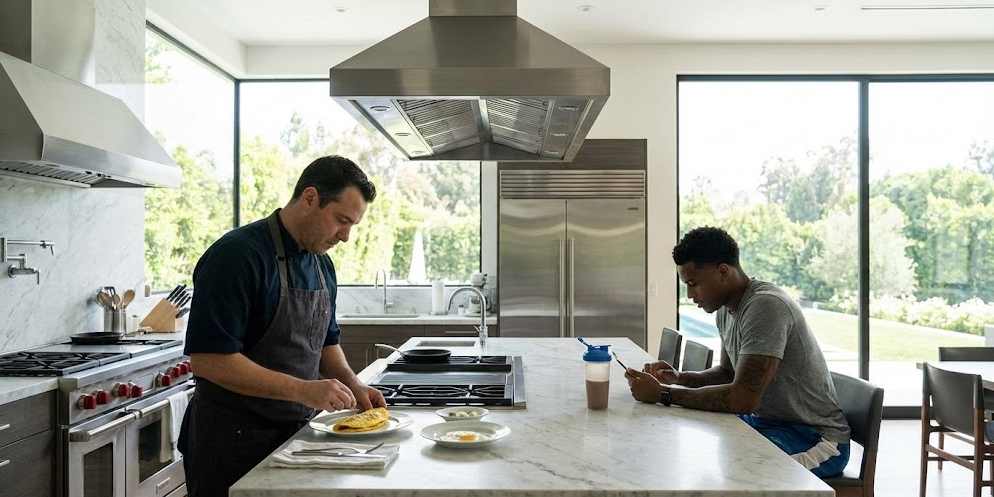
In the world of professional sports, the margin between victory and defeat is often measured in milliseconds or millimeters. While training, natural talent, and mental fortitude are the pillars of athletic success, there is a fourth, often underestimated pillar that holds them all up: nutrition. For the elite athlete, food is not just fuel; it is data, recovery, and medicine.
This is where the role of a private chef transitions from a luxury to a necessity. In this detailed guide, we will explore the transformative power of hiring a private chef for professional athletes, covering everything from the specific responsibilities and benefits to actionable tips for hiring. We will also dive into real-world examples and offer a specific recommendation for those looking to elevate their game.
The Role: More Than Just Cooking
A private chef for a professional athlete is a far cry from a standard catering service. They are, in essence, a culinary performance coach. Their primary responsibility is to ensure that every bite of food creates a physiological response that aids performance.
Strategic Meal Planning: The chef works in tandem with the athlete’s performance team – nutritionists, strength coaches, and doctors—to create a “periodized” nutrition plan. This means the menu changes based on the training cycle. Pre-season meals focus on body composition changes (building muscle or leaning out), while in-season meals prioritize glycogen replenishment and digestive ease.
Macronutrient Precision: A pro athlete’s chef doesn’t just “eat healthy.” They deal in grams. They calculate the precise ratio of carbohydrates, proteins, and fats required for a specific day’s output. For example, a heavy lifting day might require a surplus of protein and specific timing of carbohydrates, whereas a rest day might focus on fiber-rich, anti-inflammatory foods.
Sourcing and Quality Control: Athletes cannot afford to consume pesticides, hormones, or low-quality fillers. A private chef manages the entire supply chain, often sourcing grass-fed meats, organic produce, and wild-caught seafood directly from local farms or trusted purveyors. They ensure that “clean eating” is truly healthy, not just a buzzword.
The Benefits: Why Pros Make the Investment
The decision to hire a private chef is rarely about “feeling fancy.” It is a strategic business decision for an athlete whose body is their primary asset.
1. Recovery Acceleration Inflammation is the enemy of recovery. Chefs for athletes specialize in anti-inflammatory cuisine, utilizing ingredients like turmeric, tart cherries, ginger, and omega-3-rich fatty fish to reduce soreness and speed up tissue repair. This allows the athlete to train harder, sooner.
2. Mental Unloading Decision fatigue is real. After hours of intense physical and mental exertion, the last thing an athlete wants to do is calculate macros or decide what to cook. A private chef removes this cognitive load entirely. The athlete walks into their kitchen, and the perfect meal—portioned and timed—is waiting.
3. Consistency on the Road One of the biggest hurdles for pros is maintaining their diet while traveling. Many high-level private chefs travel with their clients or prepare “travel packs”—vacuum-sealed, nutrient-dense meals that can be taken on planes or buses—ensuring the athlete never has to rely on questionable hotel food or late-night takeout.
4. Longevity of Career By avoiding processed foods and ensuring optimal nutrient intake, athletes can preserve their joints, maintain high energy levels, and potentially extend their careers by years. The cost of a chef is a fraction of the value of an extra contract year.
A “Day in the Life” of a Performance Chef
To understand the level of detail involved, let’s look at a typical game-day schedule for a chef working with an NBA player:
- 8:00 AM: Chef arrives. Prepares a low-fiber, high-carb breakfast to top off glycogen stores without causing digestive distress. Think oatmeal with banana and a side of lean turkey bacon.
- 11:00 AM: Preparation of the pre-game meal. This is the most critical meal of the day, usually consumed 3-4 hours before tip-off. It involves simple carbohydrates and moderate protein, like grilled chicken breast with white rice and roasted sweet potatoes.
- 2:00 PM: Chef packs the post-game recovery meal. This needs to be ready immediately after the buzzer. It might be a smoothie with whey protein and tart cherry juice, followed by a solid meal of salmon and quinoa.
- 4:00 PM: While the athlete is at the arena, the chef shops for the next day’s ingredients, focusing on rehydration and anti-inflammatory foods to help the body recover from the game’s physical trauma.
Here is a great read of the life of a private chef for an NBA player.
Recommendation: The Gold Standard in Atlanta
If you are a professional athlete based in or visiting the Atlanta area, the landscape of personal chefs can be overwhelming. However, for those prioritizing performance without sacrificing flavor, we highly recommend contact us at: Atlanta Personal Chef Service.
Why Us? Unlike solo operators who may lack backup or specific nutritional training, Atlanta Personal Chef Service operates with a level of professionalism that mirrors a pro sports team.
Tips for Hiring Your Own Performance Chef
If you are looking to hire a private chef, do not simply post an ad for a “good cook.” Use these tips to find a performance partner:
- Test Their Science: Ask candidates to explain why they would serve a certain meal before a game versus after a game. If they can’t explain the difference between simple and complex carbs in relation to performance, they aren’t the right fit.
- Trial Runs: Never hire full-time without a trial week. Food is intimate. You need to like their personality as much as their pasta.
- Check Flexibility: Ask how they handle last-minute schedule changes. Professional sports schedules are volatile; your chef must be fluid.
- Define the Scope: Be clear about whether you need them to cook for just you, or your family as well. Many chefs are happy to make “kid-friendly” versions of your performance meals, but this expectation must be set early.
Frequently Asked Questions (FAQ)
Q: Is a private chef only for superstar athletes with massive contracts? A: Not necessarily. Many “journeyman” athletes or rookies hire chefs for meal prep services (delivered 2-3 times a week) rather than full-time in-home service. This provides 80% of the benefit at a fraction of the cost.
Q: Can a private chef work with my team’s nutritionist? A: Yes, and they should. The best results come when your private chef communicates directly with your team’s dietitian to ensure your home meals align with the team’s nutritional strategy.
Q: Do I need a massive kitchen? A: No. A professional chef can work in almost any kitchen. However, they may request specific tools (like a high-speed blender or specific knives) which they will often bring themselves.
Q: What about my family? A: Most private chefs for athletes also cook for the spouse and children. They are experts at “scaling” a menu—serving the athlete a performance portion while adding sauces or sides for the family to enjoy the same core meal in a more traditional way.
The TLDR on Pro Athlete Private Chefs in 2026:
For the professional athlete, the body is a business. Hiring a private chef is one of the highest-ROI investments you can make in that business. It buys you time, health, and potentially, the extra edge needed to win. By treating your nutrition with the same seriousness as your training, you elevate not just your performance, but your quality of life.
If you are in Atlanta and ready to take that step, Atlanta Personal Chef Service is the partner you need to turn your kitchen into a powerhouse of performance.