
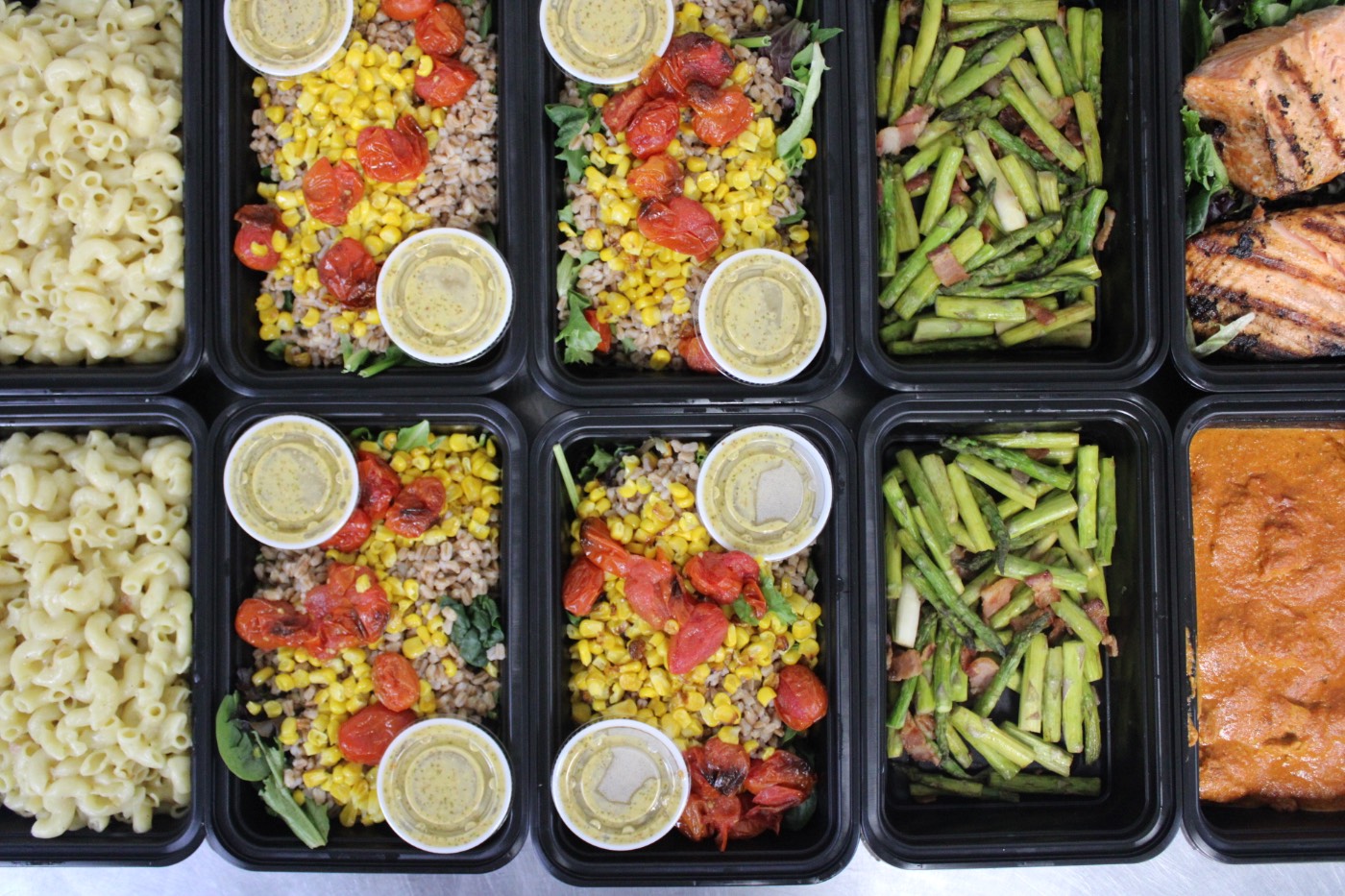
Hosting a dinner party is one of life’s great pleasures — until you remember that one of your guests can’t eat gluten. Suddenly, every recipe you Google feels like a minefield of flour, soy sauce, and breadcrumb-coated everything. The good news? A gluten-free dinner party doesn’t have to mean bland salads and apologetic shrugs. With a little planning, you can pull off a meal so good your guests won’t even notice the missing wheat. Here’s how to do it right.
Why Gluten-Free Hosting Matters More Than You Think
Before we dive into the menu, it’s worth understanding why this kind of careful hosting matters. Gluten intolerance and celiac disease affect a meaningful slice of the population, and the numbers continue to grow as awareness improves. For someone with celiac disease, even a tiny amount of cross-contamination from a shared cutting board can trigger days of misery. For those with non-celiac gluten sensitivity, the reaction may be less severe but still very real.
Gluten-Related Conditions in the U.S. Population
| Condition | Estimated U.S. Prevalence |
|---|---|
| Celiac Disease | ~1% of population (about 1 in 100) |
| Non-Celiac Gluten Sensitivity | Up to 6% of Americans |
| Undiagnosed Celiac Cases | ~83% of those with celiac disease |
| Average Diagnosis Delay | 6–10 years |
Source: Beyond Celiac — Celiac Disease: Fast Facts
That last figure is striking: there’s a real chance one of your guests is gluten-sensitive and doesn’t even know it yet. Either way, planning a thoughtful gluten-free menu shows you care — and it’s easier than you think.
1. Start with Naturally Gluten-Free Cuisines
The smartest move is to choose a menu that’s naturally gluten-free, rather than trying to retrofit a wheat-heavy dish. Think Mexican (corn tortillas, rice, beans, grilled meats), Mediterranean (grilled fish, vegetables, olive oil, fresh herbs), Thai (rice noodles, curries — just watch the soy sauce), or classic American grilling (steak, chicken, roasted potatoes, garden salads). Southern cuisine, in particular, has a wealth of naturally gluten-free options when you skip the cornbread and biscuits — think shrimp and grits made with stone-ground corn, collard greens, roasted okra, and slow-cooked pork.
2. Cook Seasonally — It’s Easier and Tastes Better
One of the best ways to ensure a gluten-free menu feels indulgent rather than restrictive is to lean into seasonal, fresh ingredients. When your tomatoes are peak-summer ripe or your peaches are dripping with juice, you don’t need a single bread crumb to make a dish memorable. If you’re cooking in the South, this month-by-month guide to seasonal Southern ingredients in Georgia is a fantastic starting point for menu planning. It’ll point you toward what’s at its best right now — and seasonal produce is almost always naturally gluten-free.
3. Watch Out for Hidden Gluten
This is where most well-meaning hosts trip up. Gluten hides in places you’d never expect:
- Soy sauce — almost all contain wheat. Use tamari or coconut aminos instead.
- Salad dressings — many include malt vinegar or wheat-based thickeners.
- Marinades and rubs — check labels for malt, modified food starch, or “natural flavorings.”
- Stocks and broths — store-bought varieties often contain wheat.
- Sausages and deli meats — fillers and binders frequently contain gluten.
- Oats — naturally gluten-free, but often contaminated during processing. Buy certified gluten-free oats.
Read labels carefully, and when in doubt, make it from scratch. A homemade vinaigrette takes 90 seconds and tastes infinitely better than anything bottled.
4. Prevent Cross-Contamination Like a Pro
For guests with celiac disease, cross-contamination is the real enemy. Even a stray crumb from a wooden cutting board can cause a reaction. Before your guests arrive:
- Thoroughly clean all countertops, cutting boards, and utensils.
- Use a fresh stick of butter (no errant toast crumbs).
- Toast any gluten-free bread in a clean toaster or on a baking sheet — never a shared toaster.
- If you’re frying anything, use fresh oil. Oil that has fried breaded items is no longer gluten-free.
- Designate gluten-free serving spoons and keep them in their respective dishes.
5. Plan a Show-Stopping Dessert
Dessert is where gluten-free dinner parties often fall flat — but they don’t have to. Flourless chocolate cake, crème brûlée, panna cotta, pavlova, and fresh fruit tarts with almond-flour crusts are all naturally gluten-free and feel genuinely celebratory. A scoop of homemade ice cream over warm grilled peaches with bourbon caramel? Nobody’s missing the cake.
6. Communicate with Your Guests
This step is surprisingly often skipped. Ask your gluten-free guest about the severity of their sensitivity. There’s a big difference between a guest with celiac disease (who needs strict precautions) and one who feels better avoiding gluten but can tolerate trace amounts. Knowing this changes how cautious you need to be with cross-contamination, and your guest will appreciate that you asked. It also opens the door to other dietary preferences you might not have known about. If you’re looking for inspiration for nutritious, allergy-conscious meals, these healthy meal prep ideas are a great resource for finding dishes that work across multiple dietary needs.
7. Don’t Be Afraid to Get Help
Here’s the truth: hosting a dinner party — especially one with dietary considerations — is a lot of work. Between menu planning, grocery shopping, prep, cooking, plating, and cleanup, you can easily lose an entire weekend. That’s why more Atlanta hosts are turning to professional help.
If you want to enjoy your own dinner party for once, Atlanta Personal Chef Service can come directly to your home, prepare a custom gluten-free menu in your kitchen, serve your guests, and clean up afterward. You get the experience of a restaurant-quality meal in the comfort of your own dining room — and you actually get to sit down and enjoy it. If you’re new to the idea of working with a private chef, this overview of what you need to know about hiring a private chef in Atlanta walks through how it works.
For households that want this kind of help on a more regular basis — not just for parties — there’s also a weekly custom dinner service that delivers fully prepared, customized gluten-free meals to your home each week. It’s a game-changer for families managing dietary restrictions long-term.
8. Know Where to Eat Out, Too
Not every gathering happens at home. Atlanta has become a genuinely strong city for gluten-free dining, with dedicated gluten-free restaurants and many establishments that take cross-contamination seriously. Sites like Atlanta Eats’ gluten-free guide can point you toward spots worth visiting when you want a night off from the kitchen.
View this post on Instagram
The Bottom Line
A gluten-free dinner party isn’t a compromise — it’s an opportunity. Some of the world’s best food is naturally gluten-free, and the constraints can actually push you toward fresher, more seasonal, more flavorful cooking. Plan ahead, watch for hidden gluten, communicate with your guests, and don’t be afraid to ask for help when you want to actually enjoy your own party. Your gluten-free guests will be thrilled, and the rest of your friends won’t even notice anything is “missing.” That’s the sign of a host who really knows what they’re doing.