
TL;DR
- An elegant brunch comes from a short, well-composed menu, not a long one.
- Set one centerpiece dish, add something baked and something fresh, and build the drink station first.
- Portions are measured by weight in grams and ounces, never by calorie counts.
- When a guest follows guidelines from a dietitian or nutritionist, our chefs prepare their plate to match.
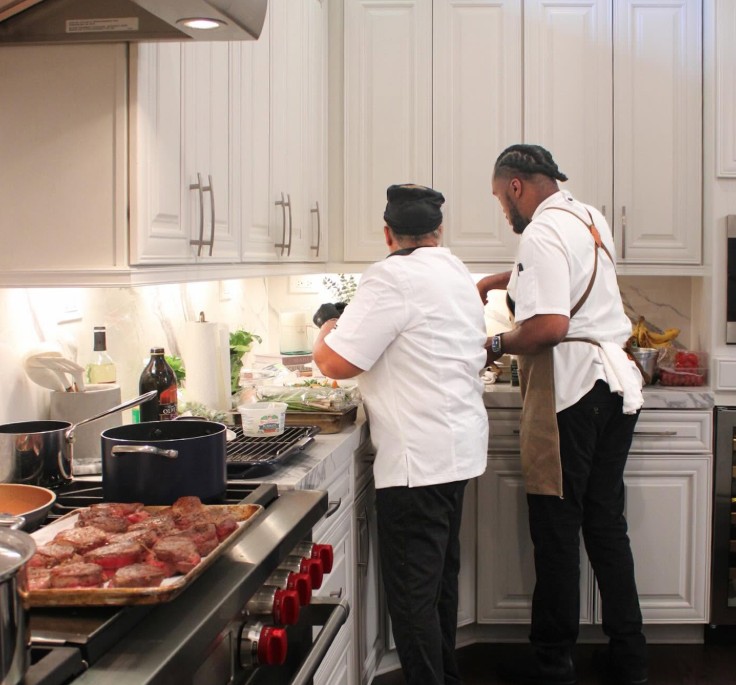
Brunch is the most forgiving meal to host and the easiest one to overcomplicate. Guests arrive relaxed, the light is good, and nobody expects a five-course production. What separates a lovely brunch from a chaotic one is planning: a tight menu, a clear sequence, and someone who is not running between the oven and the door. At Atlanta Personal Chef Service, our chefs cook brunch in homes across the metro area every weekend. Here are ten tips that make the difference.
View this post on Instagram
1. Set the Time, Then Build Around It
An 11 a.m. start is the sweet spot. It is late enough that guests are not rushing and early enough that the meal does not slide into dinner. Once the time is set, everything else follows: what gets baked that morning, what is prepped the night before, and when the first drinks are poured.
2. Keep the Menu Short and Composed
Three or four dishes done beautifully beat eight done adequately. A good structure is one savory centerpiece, one baked item, one fresh element, and one sweet finish. That shape covers every preference at the table without turning your kitchen into a short-order line.
3. Choose One Centerpiece Dish
Every memorable brunch has an anchor. Shrimp and grits, a smoked salmon board, a savory tart, or eggs Benedict with a hollandaise made to order all work. The centerpiece is where technique matters most, and it is the dish guests will mention afterward.
4. Build the Drink Station Before Anything Else
Coffee, fresh juice, sparkling water, and a simple cocktail option should be ready before the first guest arrives. A self-serve station keeps people occupied and gives the host a buffer. Pre-squeezed citrus and chilled glassware do most of the work here.
5. Respect Temperature
Brunch fails when everything sits. Serve in rounds instead of setting the whole spread out at once: pastries and fruit first, hot dishes plated as they come off the stove. Our chefs time the courses so eggs reach the table soft and biscuits reach it warm.
6. Take Baked Goods Seriously
A great biscuit or pastry elevates the whole table. Our chefs bake from scratch, and when a client wants a specific local touch, Atlanta has excellent options, including Bomb Biscuit Co. on Memorial Drive. Either way, the bread course should never be an afterthought.
7. Buy Eggs Well
Eggs carry most brunch menus, so quality and handling matter. Georgia regulates how shell eggs are graded, labeled, and kept cold, and the Georgia Department of Agriculture publishes the state egg law and grading rules that producers follow. Fresh, properly refrigerated eggs hold their shape and taste noticeably better.
8. Let the Season Choose the Produce
Fall brunch in Georgia means figs, apples, muscadines, sweet potatoes, and late peppers. Seasonal produce is fresher, costs less, and needs almost nothing done to it. Our month-by-month guide to seasonal Southern ingredients is a good place to start when planning the fruit and vegetable courses.
9. Ask About Dietary Requirements Early
A week ahead is enough time to adjust a menu gracefully. If a guest follows guidelines from a dietitian, nutritionist, or physician, ask them to share the specifics. Our chefs execute those guidelines carefully in the kitchen. We do not write nutrition plans; the licensed professional sets the framework and we cook to it.
10. Portion by Weight, Not by Guesswork
We build plates using grams and ounces of protein, carbohydrates, and fats rather than calorie estimates, which vary widely by source and are rarely useful in a working kitchen. Weight-based portioning is consistent, scales easily from six guests to twenty, and makes it simple to honor a guest’s targets exactly.
Where Atlanta Brunch Is Headed
The city’s restaurants keep raising the bar for what a weekend late morning can look like, with new brunch services launching regularly, as the AJC’s September restaurant news roundup noted. Those menus are a useful source of ideas, but a home brunch has one advantage no restaurant can match: the table is yours for as long as you want it.
Hosting an Elegant Brunch at Home: Commonly Asked Questions
How many guests is a home brunch suited to?
Eight to sixteen is the comfortable range for most Atlanta homes. Larger groups work well too, though they usually call for a family-style format rather than individually plated courses.
How far in advance should I book a chef for brunch?
Two to three weeks is ideal, and longer during the holidays and graduation season. That window allows time to finalize the menu and source specialty ingredients.
Can a brunch menu accommodate dietary guidelines?
Yes. Share any guidelines your guests receive from their dietitian or nutritionist, and our chefs will prepare those plates to match, measuring components by weight.
Do you provide calorie information for brunch dishes?
No. Calorie figures vary widely between sources and can mislead. We use weight-based measurements of protein, carbohydrates, and fats instead.
Does the chef clean up afterward?
Yes. Our chefs leave your kitchen as they found it, which is often the part hosts appreciate most.
Let Someone Else Run the Kitchen
The last tip is the simplest: hand off the cooking. Our chefs plan the menu, shop, cook in your kitchen, serve, and clean up, so you spend the morning with your guests. If brunch goes well and you want that ease during the week too, our weekly custom dinner service covers regular dinners, the Chef’s Selection menu lets our team build around the best of the season, and a private chef for weekly meal prep keeps the fridge stocked between gatherings.